
Neuro Surgery
Neurosurgery in Tirupati for Brain, Spine and Nerve Conditions
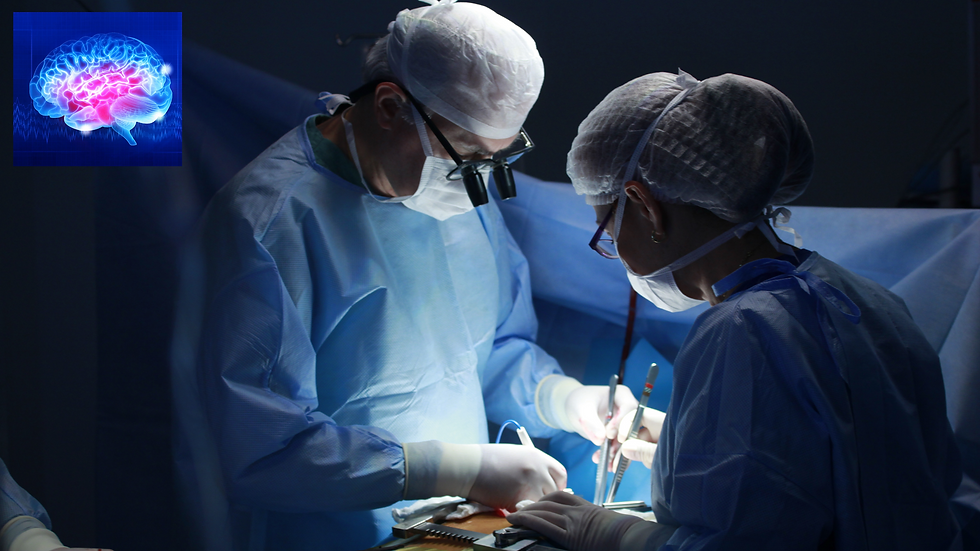
The Neurosurgery Department at Tirupati Trauma Care Centre & Hospital provides specialised evaluation and surgical management for conditions affecting the brain, spine, spinal cord and peripheral nerves. Our approach combines timely diagnosis, careful surgical planning and multidisciplinary care to help protect neurological function and support the best possible recovery.
Neurosurgical conditions can range from brain and spinal trauma to brain tumours, spinal disorders, hydrocephalus, neurovascular conditions and other disorders affecting the nervous system. Depending on the diagnosis, treatment may involve medication, observation, minimally invasive procedures or surgery.
At TTCH, treatment decisions are based on the patient's condition, neurological status, investigation results, overall health and expected benefits and risks of each treatment option. When surgery is recommended, patients and their families are guided through the procedure, potential risks, expected recovery and follow-up requirements.
As a trauma-focused hospital in Tirupati, TTCH is equipped to manage patients who require urgent neurological assessment following head injuries, spinal trauma and other serious accidents. Neurosurgical care can be coordinated with trauma, orthopaedics, anaesthesia, critical care, radiology and rehabilitation teams when multidisciplinary management is required.
Our focus is not simply on performing surgery. It is on protecting neurological function, relieving pressure or nerve compression when necessary, stabilising serious injuries, treating the underlying condition and supporting the patient's recovery and quality of life.
If you are looking for neurosurgery in Tirupati for a brain, spine or nerve-related condition, the TTCH team can evaluate your condition and recommend an appropriate treatment pathway.
Frequently Asked Questions
What conditions does a neurosurgeon treat?
A neurosurgeon evaluates and treats surgical conditions affecting the brain, skull, spine, spinal cord and peripheral nerves.
Depending on the patient's diagnosis, neurosurgical care may be considered for conditions such as brain and spinal trauma, brain tumours, spinal disorders, nerve compression, hydrocephalus, congenital neurological conditions and selected neurovascular conditions.
Not every neurological condition requires surgery. A neurosurgical consultation helps determine whether surgery, non-surgical treatment, observation or another specialist intervention is appropriate.
When should I see a neurosurgeon after a head injury?
A head injury should receive urgent medical attention when there are concerning symptoms such as loss of consciousness, repeated vomiting, worsening headache, seizures, confusion, unusual drowsiness, weakness, difficulty speaking or changes in vision.
Some serious brain injuries can initially appear mild, so medical assessment is important when significant trauma has occurred or symptoms are concerning.
At Tirupati Trauma Care Centre & Hospital, patients with serious trauma can undergo appropriate emergency assessment and receive specialist care when neurosurgical intervention is required.
What is the difference between a craniotomy and a craniectomy?
A craniotomy involves temporarily removing a section of the skull to allow access to the brain. The bone is generally replaced after the surgical procedure.
A craniectomy involves removing a section of skull without immediately replacing it. In selected situations, this can provide additional space for a swollen brain and reduce pressure inside the skull. The removed bone may be replaced later depending on the patient's condition.
The choice between these procedures depends on the underlying condition and the surgeon's assessment.
Will I be awake during brain surgery?
In selected cases, an awake craniotomy may be performed when a brain tumour or other lesion is located close to areas responsible for important functions such as speech or movement.
During the procedure, the surgical team may assess specific functions while operating to help identify and preserve critical areas of the brain.
Whether awake surgery is appropriate depends on the location of the lesion, the patient's condition and the surgical objective. Your neurosurgeon will explain the anaesthesia and monitoring approach before surgery
Can a slipped disc or spine problem be treated without surgery?
Yes. Many spinal conditions can initially be managed without surgery depending on the diagnosis and severity.
Treatment may include medication, physiotherapy, activity modification, targeted injections or other conservative approaches.
Surgery may be considered when symptoms persist despite appropriate non-surgical treatment, when there is significant nerve compression, progressive neurological weakness, spinal instability or another condition requiring surgical intervention.
The appropriate treatment should be determined after clinical evaluation and appropriate imaging.
How soon can I walk after lumbar spine surgery?
The time required to start walking depends on the type of spinal procedure, the patient's neurological condition, general health and the surgeon's recommendations.
After some minimally invasive lumbar procedures, patients may be encouraged to stand and walk relatively soon after surgery. More complex spinal operations may require a longer period of monitoring and rehabilitation.
Your treating team will provide specific instructions about mobilisation, physiotherapy, lifting restrictions and return to normal activities.
What is the recovery time after brain surgery?
There is no single recovery period for all brain surgeries.
Recovery depends on the type and location of the condition, complexity of surgery, neurological status, patient's general health and whether rehabilitation is required.
Some patients may return to light activities within several weeks, while complex procedures or significant neurological injuries may require a longer recovery period and structured rehabilitation.
Your neurosurgical team will provide an individualised recovery plan based on your procedure and condition.
What happens if a brain tumour is found?
Finding a brain tumour does not automatically mean that surgery is required.
The treatment approach depends on factors including the type, size and location of the tumour, its growth pattern, symptoms, neurological findings and the patient's overall health.
Depending on the diagnosis, treatment may include observation, surgery, radiation therapy, chemotherapy or a combination of treatments. When surgery is recommended, the objective may be to remove as much of the tumour as safely possible while protecting important neurological functions.
Can neurosurgery treat spinal cord and nerve problems?
Neurosurgery can be used to evaluate and treat selected conditions involving the spinal cord, nerve roots and peripheral nerves.
Surgery may be considered for conditions involving significant nerve compression, spinal cord compression, certain traumatic injuries, tumours or other structural abnormalities.
The treatment depends on the underlying cause, neurological symptoms, imaging findings and the patient's overall health.
Why choose Tirupati Trauma Care Centre & Hospital for neurosurgical
care?
Tirupati Trauma Care Centre & Hospital provides neurosurgical care within a broader trauma and hospital care environment, which can be particularly important for patients with serious head or spinal injuries.
Patients may require coordinated management involving neurosurgery, trauma care, orthopaedics, anaesthesia, critical care, radiology and rehabilitation, depending on their condition.
TTCH focuses on timely assessment, appropriate treatment planning, patient safety and continuity of care from diagnosis through recovery.
If you or a family member has a head injury, spinal injury, persistent nerve compression, suspected brain tumour or another condition that may require neurosurgical evaluation, consult a qualified neurosurgical specialist for an appropriate assessment.
Spinal


Cranial
.png)