
Critical Care
Critical Care at Tirupati Trauma Care Centre & Hospital
The Critical Care Department at Tirupati Trauma Care Centre & Hospital (TTCH) provides specialised monitoring and supportive care for patients who are critically ill, seriously injured or require close observation after major surgery.
Critical care is particularly important for patients with severe trauma, multiple injuries, serious infections, organ dysfunction, respiratory problems and other conditions that require continuous medical monitoring and advanced supportive care.
At TTCH, critically ill patients are managed by a multidisciplinary team with support from critical care, trauma surgery, orthopaedics, neurosurgery, anaesthesiology, plastic and reconstructive surgery and other relevant specialties according to the patient's condition.
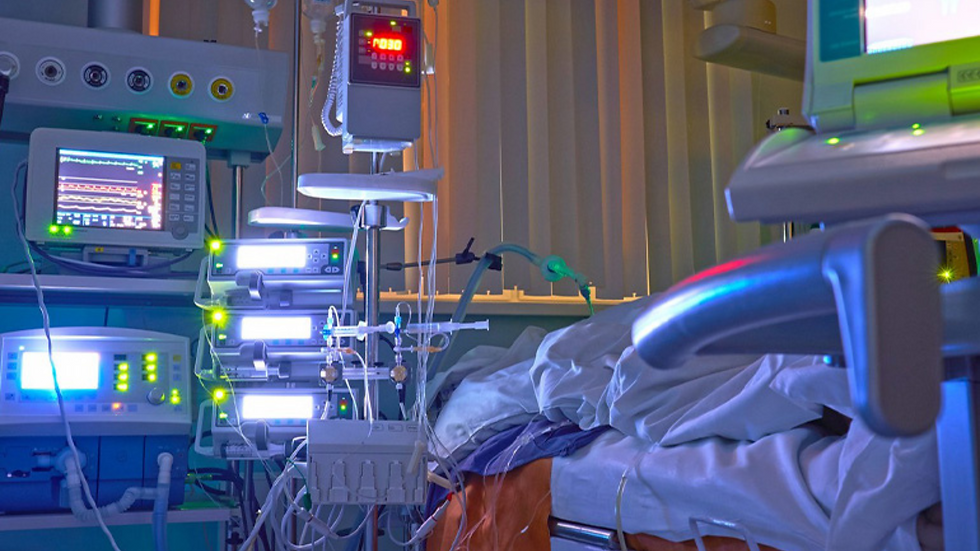
The department includes facilities such as incubators and Continuous Renal Replacement Therapy (CRRT) to support patients who require specialised monitoring and organ support.
The objective of critical care is to provide continuous monitoring, timely intervention, organ support and coordinated treatment for patients with serious or life threatening conditions.
Critical Care Facilities
1. Incubators
Incubators provide a controlled environment for newborns who require specialised monitoring, temperature regulation and supportive care.
They can be particularly important for babies who are premature, have a low birth weight or require additional observation and medical support.
The controlled environment helps maintain an appropriate body temperature while allowing healthcare professionals to closely monitor the baby's condition.
The need for incubator care depends on the baby's gestational age, birth weight, medical condition and clinical requirements.
2. Continuous Renal Replacement Therapy (CRRT)
Continuous Renal Replacement Therapy (CRRT) is a form of continuous kidney replacement therapy used primarily for critically ill patients who have significant kidney dysfunction and may not tolerate conventional intermittent dialysis.
CRRT continuously removes waste products and excess fluid from the blood while helping manage electrolyte and acid base balance.
It may be considered for selected critically ill patients with acute kidney injury, fluid overload or other conditions requiring continuous renal support.
CRRT is performed under close medical monitoring because critically ill patients can have rapidly changing fluid, blood pressure and metabolic requirements.
The critical care team determines whether CRRT is appropriate based on the patient's kidney function, fluid status, blood pressure, overall clinical condition and treatment requirements.

Frequently Asked Questions
What is critical care?
Critical care is specialised hospital care for patients who are seriously ill, severely injured or require continuous monitoring and advanced medical support.
Who may need critical care?
Patients with severe trauma, polytrauma, serious infections, respiratory failure, organ dysfunction, major postoperative complications or other life threatening conditions may require critical care.
What facilities are available in critical care at TTCH?
TTCH's critical care services include specialised facilities such as incubators and Continuous Renal Replacement Therapy (CRRT), along with continuous patient monitoring and supportive medical care.
What is an incubator used for?
An incubator provides a controlled environment for newborns who require assistance with temperature regulation, monitoring and supportive care.
Which babies may require an incubator?
Premature babies, low birth weight babies and newborns requiring additional medical monitoring may require incubator care depending on their clinical condition.
What is CRRT?
CRRT stands for Continuous Renal Replacement Therapy. It is a continuous form of kidney replacement therapy used mainly for selected critically ill patients who require gradual and continuous removal of waste products and excess fluid.
Why is CRRT used in critically ill patients?
Some critically ill patients may have acute kidney injury, fluid overload or unstable blood pressure and may not tolerate conventional intermittent dialysis. CRRT can provide slower, continuous kidney support in appropriately selected patients.
How long does CRRT continue?
The duration depends on the patient's condition, kidney function, fluid balance and response to treatment. The critical care team regularly reassesses the need for continued CRRT.
Does every patient with kidney failure require CRRT?
No. CRRT is mainly used in selected critically ill patients. The choice between CRRT and other forms of kidney replacement therapy depends on the patient's medical condition and clinical requirements.
Why choose TTCH for critical care?
TTCH provides critical care within a multidisciplinary trauma and hospital environment, allowing critically ill patients to receive coordinated support from relevant specialties.
The availability of incubator support and CRRT adds specialised care options for newborns requiring controlled supportive care and critically ill patients requiring continuous renal support.
Ventilators

CRRT
